Contents
Get a Personalized Demo
See how Torq harnesses AI in your SOC to investigate, prioritize, and respond to threats faster.
A year ago, a handful of vendors called themselves an “AI SOC.” Today, more than 100 do. The label now means whatever the person selling it needs it to mean, leaving security teams to buy very different products under the same two words.
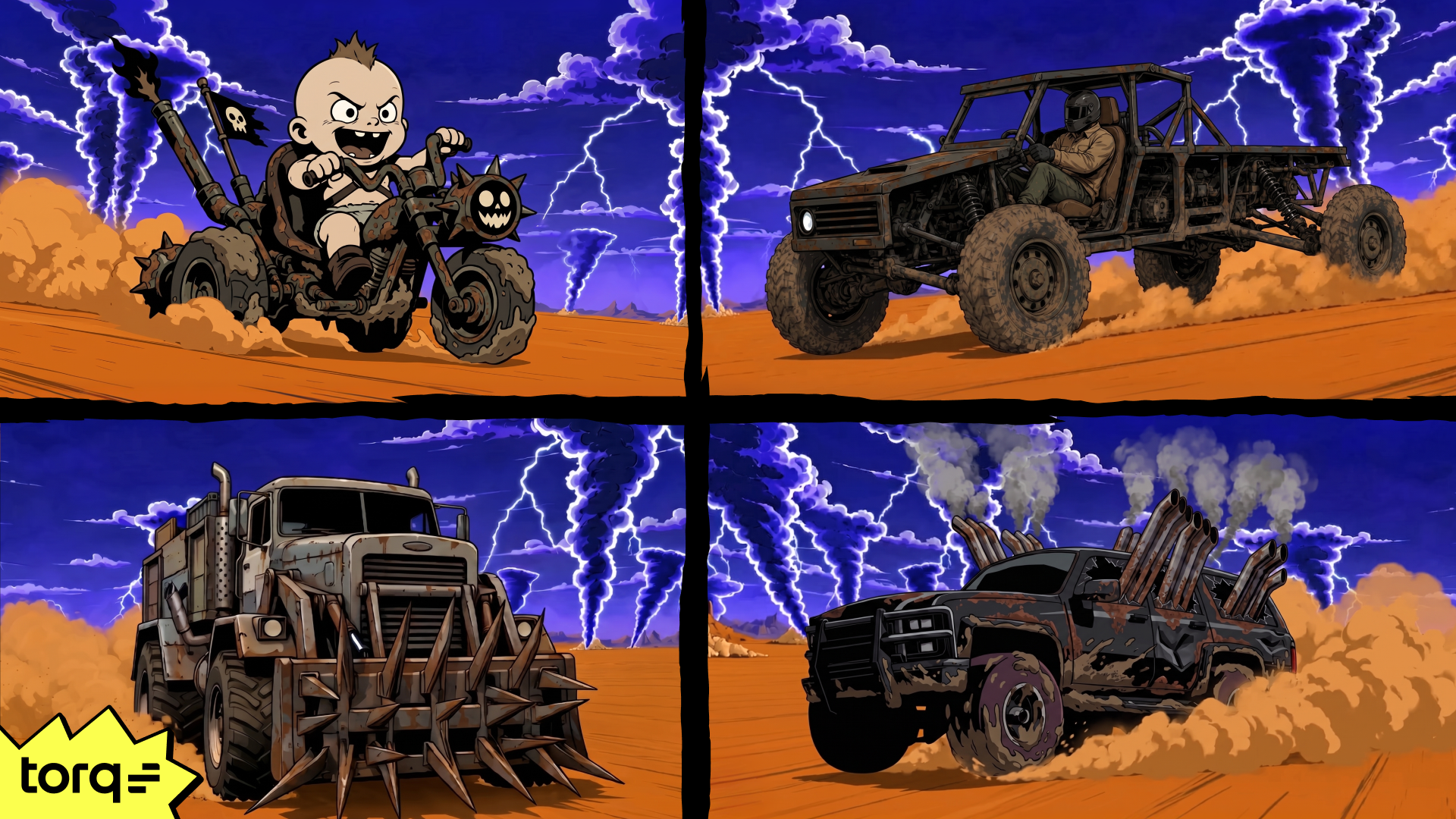
So let’s sort the market. Beneath the “agentic” branding, most AI SOC vendors fall into one of four categories, and none of them clears the bar. Each can look capable in a demo. Each shares the same flaw: it can tell you what’s happening, but it can’t actually do anything about it.
Here’s how to spot all four, and what you should be getting instead.
1. The Triage-Only Tool
This is the most common type. A lot of “AI SOC” startups focus almost entirely on triage, and to be fair, triage is a great fit for AI. It’s repetitive, high-volume, around-the-clock work that burns analyst time and attention.
But the job doesn’t end at triage. If your AI surfaces a verdict and then hands a to-do list to a human, it hasn’t reduced the workload. It’s just reorganized it. The investigation still happens by hand, the response still requires someone to log into another tool, and the case still closes on human time.
What you actually need: End-to-end lifecycle automation that carries an alert through investigation, remediation, and closure, with native case management and autonomous resolution for the cases that don’t need a human.
2. The Legacy Tool With Bolt-On AI
A legacy product wrapped in a chatbot and a few generative copilots is still a legacy product. Layering AI on top of an aging architecture can improve the experience at the surface, but it doesn’t remove the scalability and complexity limits that were there before. The same bottlenecks remain. They just have nicer branding.
What you actually need: A platform built for agentic SecOps from the ground up, designed not only to generate insights but to take action, coordinate workflows, and drive resolution autonomously, and built for enterprise scale from day one.
3. The Black Box
Too many AI SOC vendors expect teams to trust decisions they can’t inspect, tune, or control. In the SOC, trust isn’t automatic. It has to be earned. According to Torq’s 2026 AI SOC Leadership Report, black-box reasoning ranked among the top concerns for security leaders considering AI adoption, and for SOC directors specifically, it was the number-one concern.
If analysts can’t see why the AI reached a verdict or what data it touched, adoption stalls. Opaque reasoning breeds hesitation, double-checking, and operational risk, and out-of-the-box agents have limited value if teams can’t adapt them to their own workflows, policies, and risk tolerance.
What you actually need: Transparent agent reasoning, fully customizable agents, and user-defined logic and control, so every verdict is something your team can verify, tune, and govern.
4. The Shallow Newcomer
The newest vendors flooding the market can look slick in a demo, only to fall apart under the compliance requirements and complexity of a real enterprise environment. Most operate with shallow case memory, weak organizational context, and no ability to learn from analyst decisions. Every case starts from scratch, and the judgments your team has already made get buried in tickets and Slack threads instead of informing the next verdict.
What you actually need: Decisions grounded in your organizational context, memory that improves every verdict over time, native model context protocol (MCP) support, and an enterprise-grade platform proven in Fortune 500 production, not just a demo.
The One Question That Exposes All Four
The test is simple: Can it take action? A triage-only tool, a repackaged legacy product, a black box, and a shallow newcomer all stop at the same place. They analyze, they recommend, and then they hand the real work back to your team.
If it can’t take action, it’s not an AI SOC. It’s one more tool to manage.
A true AI SOC platform runs the complete threat lifecycle — triage, investigation, response, and case closure — with the transparency, context, control, and scale that enterprise operations demand. That’s the bar. Most AI SOC vendors don’t clear it.
Survive the AI SOC Apocalypse. Read the blog series.